The full story
Tactile Communication Beneath the Waves
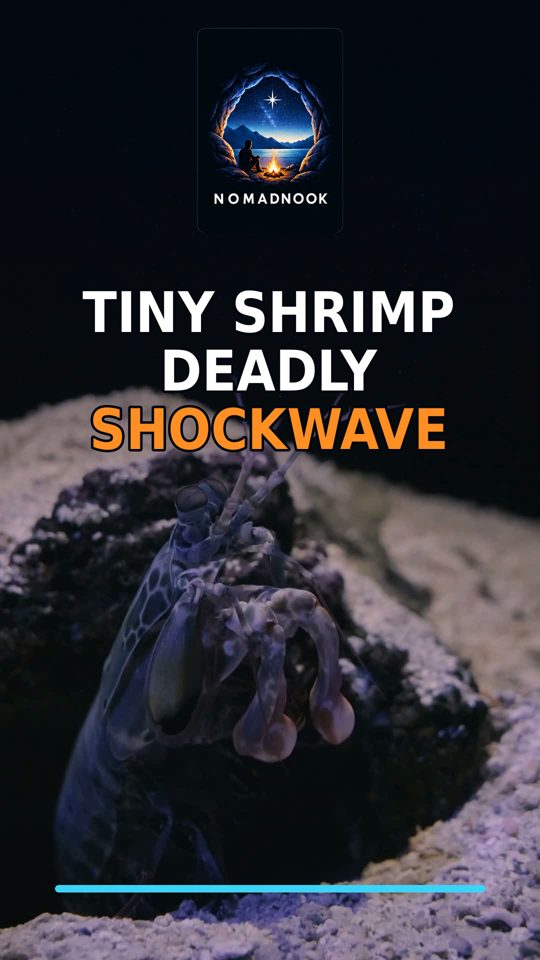
Pistol shrimp are industrious builders capable of excavating complex sand burrows, but their poor eyesight leaves them vulnerable to predators while clearing debris outside. To compensate, the shrimp forms a mutualistic bond with a goby fish, an animal with keen vision.
By keeping one of its long antennae in constant physical contact with the goby's body, the shrimp receives immediate warnings. If the goby senses danger, a quick tail flick alerts the shrimp to retreat into the safety of the shared burrow.
A Widespread Marine Symbiosis
This cooperative relationship between gobies and snapping shrimp is widely observed across warm coastal marine environments, particularly throughout the Indo-Pacific and Caribbean regions. Multiple goby species pair with specific types of burrowing shrimp on shallow sandy seafloors near coral reefs.
The alliance is so effective that many goby species rarely live without a shrimp host. In exchange for early predator detection, the fish gains a clean shelter that would otherwise collapse without continuous maintenance.
Clarifying the Nature of Their Bond
A common misconception is that the goby fish acts as a parasite or freeloading tenant, taking advantage of the hard-working shrimp. In reality, this partnership is a classic example of mutualism where both species gain significant survival advantages.
Neither animal dominates the interaction; the shrimp shares its home because constructing shelter is far safer with an attentive sentinel watching the entrance.
Quick facts
- Pistol shrimp construct deep tunnels in loose sand that serve as shared shelters for themselves and their goby partners.
- Goby fish have exceptional eyesight and warn their nearly blind shrimp companions about approaching predators.
- The shrimp maintains physical contact with the goby using its antennae to detect subtle warning movements.
- Both animals dive into the burrow at the first sign of alarm from the goby sentinel.
- This symbiotic pairing is found in tropical and subtropical marine waters around the world.
Frequently asked questions
Snapping shrimp spend much of their lives in dark underground burrows where high-definition vision is not essential for survival. Over time, they evolved to rely heavily on touch and chemical signals rather than sight.
Without a goby sentinel, a shrimp becomes significantly more vulnerable to predators whenever it emerges to clean the entrance. It typically remains inside or searches for a new goby partner as quickly as possible.
Most goby species involved in this relationship lack the specialized anatomy required to dig extensive sand burrows. Relying on the shrimp's digging skills allows the goby to secure reliable shelter without spending energy on construction.