The full story
The Physics of Cavitation
Pistol shrimp possess a specialized, oversized claw designed like a high-velocity hydraulic piston. When the shrimp releases the claw's internal latch mechanism, a socket snaps closed to eject a rapid jet of water. This high-speed liquid motion causes the local water pressure to drop sharply below its vapor pressure, forming a tiny bubble of water vapor.
As surrounding water pressure equalizes, the vapor bubble violently collapses in a physical process called cavitation. The sudden implosion generates extreme localized pressure and a intense acoustic shock wave capable of stunning or killing nearby small fish and crustaceans.
Contact vs Hydrodynamic Impact
A widespread misconception is that the shrimp physically strikes its prey with the heavy claw to inflict damage. In truth, the claw rarely touches the target during an attack. The true weapon is the energetic shock wave released by the imploding cavitation bubble, allowing the shrimp to incapacitate prey from a short distance without physical contact.
Reef Habitats and Acoustic Landscapes
Found throughout tropical and warm temperate coastal waters, snapping shrimp often form dense colonies within coral reefs and rocky crevices. The combined sound of thousands of shrimp snapping simultaneously creates a continuous underwater crackle, loud enough to disrupt marine sonar communication.
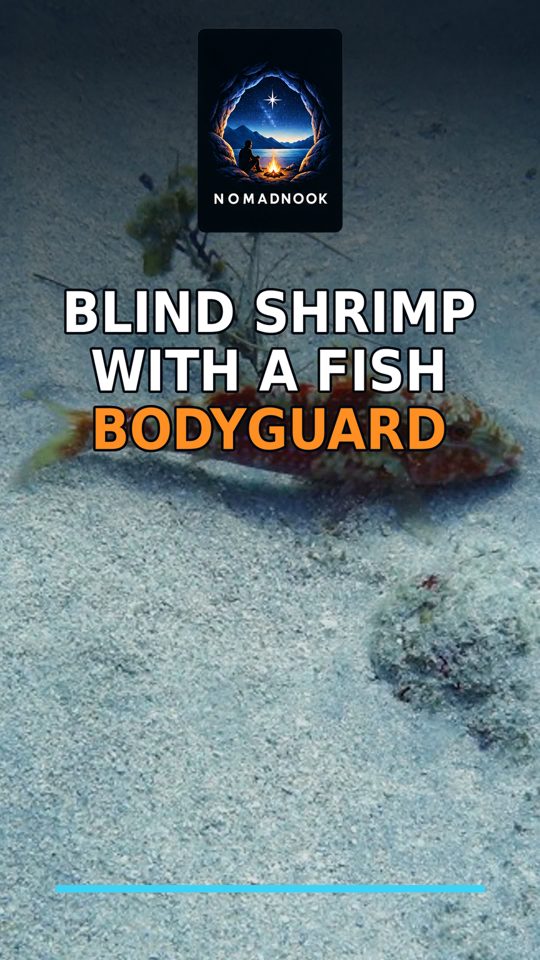
Beyond hunting, pistol shrimp use their snapping ability to defend underground burrows. Many species share these burrows with goby fish in a mutually beneficial partnership, where the keen-sighted goby acts as a lookout for the vision-impaired shrimp.
Quick facts
- The collapse of the cavitation bubble momentarily generates extreme heat inside the bubble.
- The sound produced by a snapping shrimp can exceed 200 decibels underwater.
- The brief flash of light created during the bubble implosion is known as sonoluminescence.
- Pistol shrimp possess one enlarged snapping claw while the other remains a normal size for feeding.
Frequently asked questions
A snap right next to skin may feel like a small sting or pinch, but it poses no danger to humans because the force dissipates within a few millimeters.
The expansion and collapse of the cavitation bubble takes less than a single millisecond.
No, peacock mantis shrimp also generate cavitation bubbles when striking prey with their powerful appendages.