The full story
Mutual Benefits at Cleaning Stations
Manta rays frequently visit specific patches of coral reef known as cleaning stations. In these areas, smaller organisms such as cleaner wrasses and cleaner shrimp pick ectoparasites, dead tissue, and bacteria off the ray's skin, gills, and mouth. This interaction is a classic example of mutualism: manta rays receive valuable hygiene services that help prevent infections, while cleaner organisms gain a steady supply of nutrients.
To signal that they are ready for service, a manta ray slows its swim speed and hovers in the water column above the reef. The ray may position itself vertically or drop its pelvic fins, indicating to the cleaner fish that it is safe to approach without danger.
Underwater Hubs of Marine Diversity
Cleaning stations exist throughout tropical and subtropical oceans, serving as essential social and ecological hubs. Beyond manta rays, various marine species—including sea turtles, groupers, and sharks—frequently wait near these coral structures for their turn to be serviced by cleaner fish.
Because large pelagic animals travel vast distances across open water, predictable cleaning stops are critical for maintaining overall skin health. The presence of active cleaning stations often correlates with vibrant, highly biodiverse reef environments.
Misconceptions About Cleaner Fish Behavior
A common belief is that cleaner wrasses act purely out of altruism or only feed on harmful parasites. In reality, cleaner fish often prefer the host's protective mucus layer, which is rich in calories and nutrients. Cleaner fish balance their appetite for mucus with parasite removal to maintain a good reputation, occasionally taking a quick bite of healthy tissue when client fish are distracted.
Quick facts
- Cleaner wrasses use distinct dancing movements to invite larger fish into cleaning stations.
- Manta rays can spend several hours a day lingering near coral reefs to undergo cleaning.
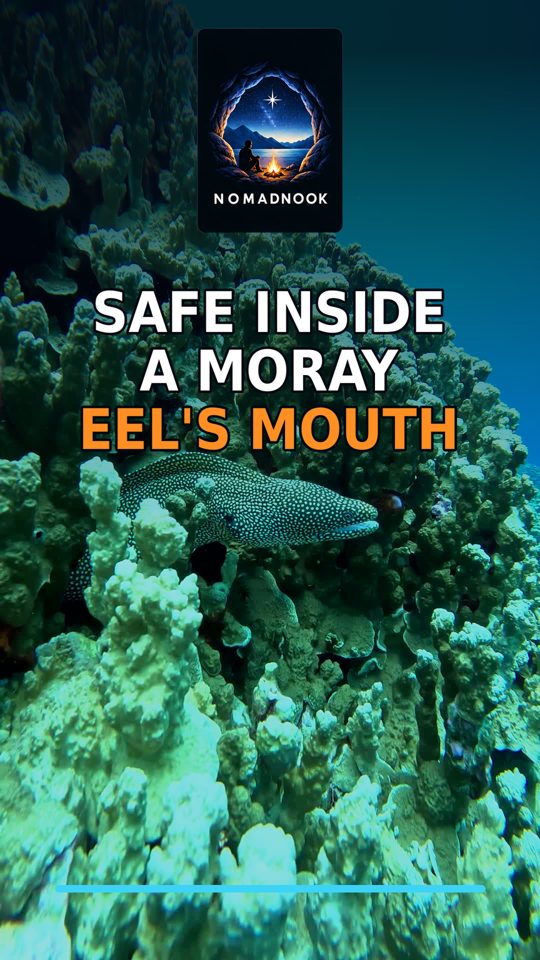
- Smaller cleaner fish can safely enter a manta ray's mouth and gill slits to remove debris.
- Cleaning stations are usually situated on prominent coral mounds or distinct reef landmarks.
- Fanged blennies mimic the appearance of cleaner wrasses to take bites out of larger fish.
Frequently asked questions
Manta rays are filter feeders that consume tiny plankton rather than fish. They also recognize the distinctive coloration and movements of cleaner wrasses, benefiting far more from parasite removal than a tiny meal.
Cleaning stations are found on shallow coastal reefs in warm ocean regions worldwide. Well-known locations include parts of Hawaii, the Maldives, Indonesia, and the Great Barrier Reef.
Manta rays signal their intent by gliding slowly, hovering motionless, or assuming specific postures near the reef. Cleaner fish recognize these physical postures as an invitation to approach safely.