The full story
Microscopic Architecture of Toe Pads
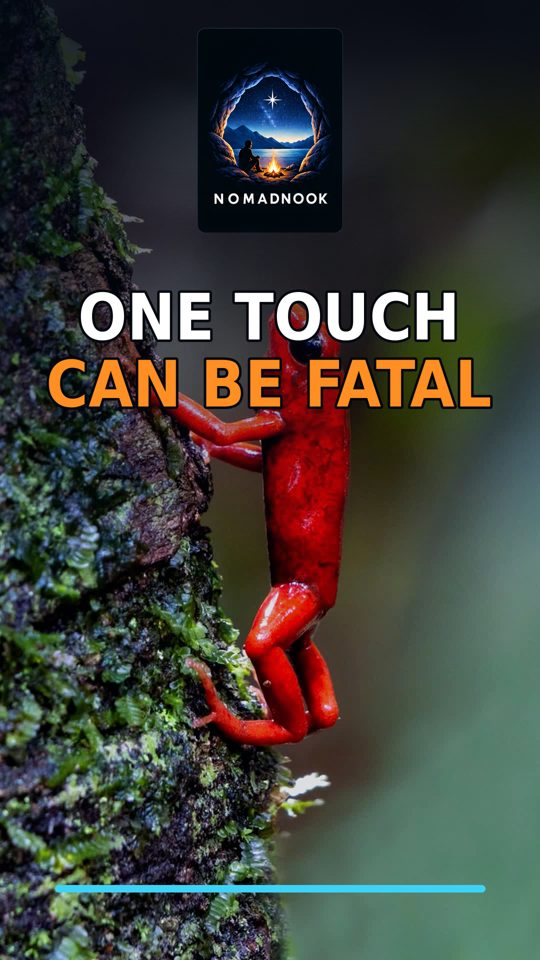
Tree frogs rely on specialized toe pads to navigate slippery canopy environments. Under magnification, these pads reveal tiny columnar cells arranged in hexagonal patterns, separated by deep channels. When a frog lands on a wet leaf, these microscopic channels quickly drain away excess liquid, preventing the frog from hydroplaning.
Once surplus water is channeled away, glands in the toe pads secrete a thin layer of mucus. This fluid creates microscopic liquid bridges between the pad and the leaf. The resulting capillary action and viscous forces produce a reliable wet adhesion, allowing the frog to cling securely to slick surfaces at almost any angle.
Ecological Importance of Wet Adhesion
Tropical rainforests experience frequent, intense rainfall, turning foliage into precarious surfaces. For canopy-dwelling frogs, maintaining a steadfast grip is vital for survival. Secure attachment allows them to pursue flying insects, escape predators, and remain anchored during powerful storms without falling from great heights.
Adhesion vs Suction: Dispelling the Myth
A widespread myth suggests that tree frog toe pads function like tiny rubber suction cups. In reality, suction plays virtually no role in their ability to stick. Suction requires air-tight seals and pressure differentials, whereas tree frogs depend on capillary forces, surface tension, and physical friction generated by their microscopic skin structures.
Quick facts
- Tree frog toe pads feature hexagonal cell structures separated by microscopic drainage channels.
- Glands beneath the toe skin secrete a watery mucus that creates capillary grip on smooth surfaces.
- Unlike geckos, which use dry adhesion, tree frogs rely on wet adhesion to maintain their footing.
- Tree frogs peel their toe pads upward from the rear to quickly break surface tension and leap.
- The gripping mechanism functions effectively on smooth glass, damp leaves, and rough tree bark.
Frequently asked questions
No, tree frogs do not use suction. Their grip relies on wet adhesion, created by microscopic skin patterns and thin layers of mucus that generate capillary forces.
Yes, tree frogs can stick to dry surfaces as well as wet ones. Secretions from their toe pad glands supply the necessary fluid to create a capillary bond even when the surroundings are dry.
Tree frogs detach their toes by changing the angle of their feet and peeling the pads off from back to front. This peeling motion easily breaks the surface tension holding the fluid layer together.